
You can’t just erase every bad review, but you can remove or neutralize many of them. Flag outright fake, abusive, or defamatory posts on Google, Yelp, and Facebook and keep screenshots as proof. Reply quickly and calmly with empathy, offer to take the matter offline for details, and document resolutions. Train staff, fix recurring service issues, and ask satisfied customers for reviews to push down negatives. Keep going to learn step-by-step removal and response tactics.
Key Takeaways
- Identify reviews that violate platform policies (fake, defamatory, abusive) and collect screenshots and reviewer history as evidence.
- Report policy-violating reviews to the platform (Google, Yelp, Facebook) using their “Report” tools and attach your documentation.
- Publicly respond quickly with empathy, a brief apology, and an offer to resolve offline while avoiding defensive language.
- Move the conversation offline—request contact details, offer specific remedies, timelines, and document the agreed resolution.
- Track every case in a central log, follow up after resolution, and politely ask satisfied customers to update or add a positive review.
Why Negative Reviews Happen and What They Mean for Your Business
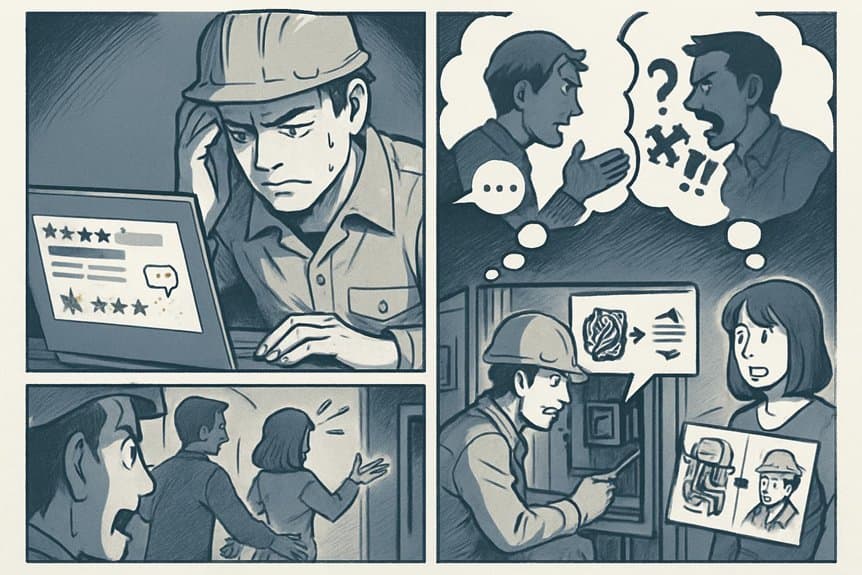
When a customer posts a negative review, they’re usually reacting to an unmet expectation—slow response, unclear pricing, a missed appointment, or work that didn’t solve the problem—and that message can spread quickly online, shaping how others see your electrical business.
Negative reviews usually signal unmet expectations—slow response, unclear pricing, missed appointments—quickly shaping your electrical business’s reputation.
You’ll find negatives stem from communication breakdowns, perceived poor value, or service errors. They signal process gaps: scheduling, estimates, follow-up, or technician behavior.
You should treat each review as actionable feedback that highlights where customers’ expectations and your delivery diverged. Addressing root causes reduces repeat complaints and improves retention.
Publicly responding shows you care and can mitigate reputation damage, while fixing internal issues prevents future negatives. Tracking themes helps you prioritize operational changes that protect your brand and referrals.
Identifying Reviews That Violate Platform Policies
Although negative feedback often reflects genuine service issues, some reviews cross the line into violations of platform policies—spam, defamatory statements, conflicts of interest, or content that’s abusive or fake—and you need to spot those quickly.
You’ll want a clear, objective approach: read for factual inaccuracies, check timestamps and reviewer history, and note language that targets a protected class or uses threats.
Keep records—screenshots and links—so you can reference specifics when disputing.
Don’t assume every angry comment is removable; focus on clear policy breaches.
Below are common red flags to help you triage reviews efficiently.
- Fake or paid reviews with repetitive phrasing, new accounts, or unrelated locations.
- Defamatory claims alleging illegal acts without evidence.
- Abusive, harassing, or hate-filled language.
How to Request Removal From Google, Yelp, and Facebook
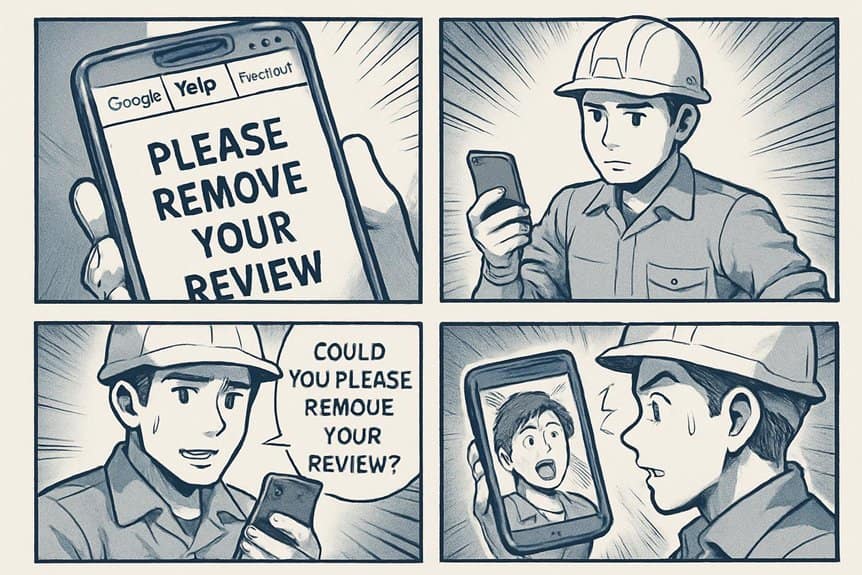
If you find a review that clearly violates platform policies, act quickly and follow each site’s specific removal process—Google, Yelp, and Facebook all have distinct reporting tools, evidence requirements, and timeframes—so prepare screenshots, links, and a concise explanation before you submit your request.
If a review breaches policy, act fast: gather screenshots, links, and a brief explanation before reporting.
For Google, go to Google Maps, locate the review, click the three dots or “flag” option, and choose “Report review”; follow email or Search Console prompts if you’re the business owner and attach proof of policy violations.
On Yelp, use “Report review” under the review menu or contact Yelp’s support with documentation showing falsity or conflicts.
For Facebook, open the review, click the three dots, select “Find support or report recommendation,” and submit clear evidence.
Track each case and follow up if needed.
Drafting a Professional Response to Public Criticism
Because a calm, timely reply can turn a negative review into an opportunity, you should address public criticism with professionalism, empathy, and a clear plan for resolution. Start by acknowledging the customer’s concern, apologizing for any shortfall, and offering a succinct statement of what you’ll do to investigate.
Keep tone measured, avoid defensive language, and use the customer’s name if available.
- Apologize briefly, restate the issue, and thank them for the feedback.
- Explain the steps you’ll take to investigate or correct the problem, with realistic timelines.
- Invite offline contact for details while promising a public follow-up once resolved.
Finish by encouraging ongoing dialogue and showing commitment to improving service quality.
When and How to Take the Conversation Offline
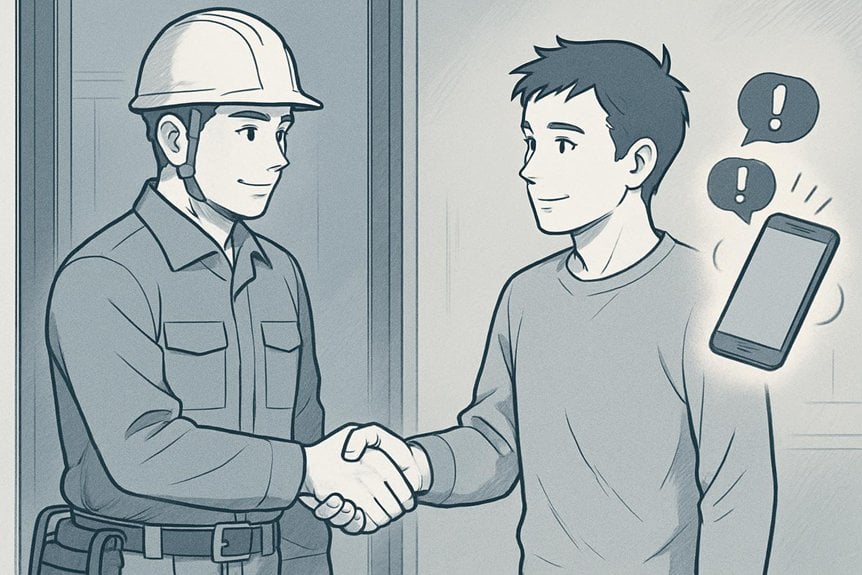
When a public reply isn’t resolving things, suggest moving the discussion to a private channel like email or a direct message so you can address specifics without airing details.
Offer a clear path to direct resolution—propose a call, inspection, or refund process and give a contact name and timeline.
That shows you’re serious about fixing the problem and can often lead to the reviewer updating or removing their negative post.
Move to Private Channel
Move the discussion to a private channel as soon as the complaint needs personal details, detailed troubleshooting, or a resolution that could affect the customer’s account or safety. You’ll protect privacy, avoid public speculation, and gather facts without cliffnotes or misinterpretation. Offer a clear private option—DM, phone, or secure form—and explain why it’s better: you need specifics like address, serial numbers, or photos that don’t belong on a public thread.
Set expectations for response time and who’ll handle the case so the customer feels confident you’ll follow through. Keep public replies brief, polite, and confirm you’ve moved the conversation offline to reassure other readers.
- Ask for contact method and availability.
- Request necessary private details (photos, location).
- Promise a response window and next step.
Offer Direct Resolution
Now that you’ve shifted the conversation offline, offer a clear, direct resolution so the customer knows what to expect next. Tell them the specific fix you’ll provide, a realistic timeline, any costs you’ll cover, and who’ll handle the work. Use plain language: “We’ll send a senior electrician tomorrow between 9–11 AM to correct the wiring at no charge.” Confirm contact details and preferred access instructions. Ask one focused question to confirm acceptance, then pause to let them respond. Follow up with a written summary via email or text and include cancellation or rescheduling steps. Deliver promptly and document everything.
When you meet the promise, politely request that they update or remove the negative review.
Encouraging Positive Reviews Ethically and Consistently
Regularly asking satisfied customers for feedback helps build a steady stream of positive reviews without crossing ethical lines. You should make requests simple, timely, and optional: send a short message after job completion with one-click links to review sites, and thank them whether they leave feedback or not. Train staff to mention reviews naturally during conversations without pressure.
- Ask within 24–48 hours while the work is fresh, using polite, specific language and direct links.
- Offer multiple platforms (Google, Facebook, industry sites) so customers pick a familiar option, increasing response rates.
- Use follow-up reminders sparingly—one gentle nudge after a week—so you stay consistent without annoying clients.
Keep records to track what works and refine your approach.
Fixing Service Issues to Prevent Future Complaints
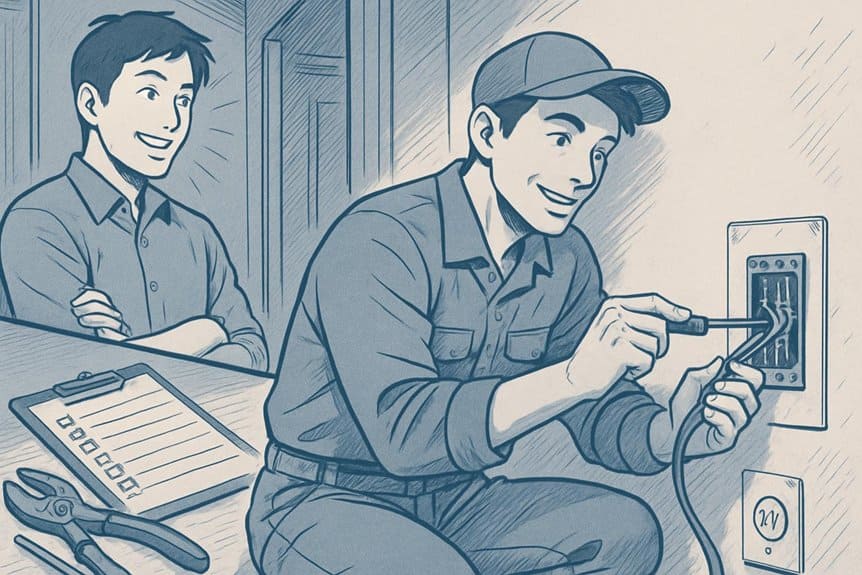
As you collect feedback and encourage positive reviews, use complaints and low ratings as a roadmap for fixing service issues so they don’t repeat. Review each complaint for root causes — missed appointments, poor communication, sloppy workmanship, or pricing misunderstandings.
Create clear, measurable fixes: update scheduling protocols, mandate arrival windows, standardize quotes, and require post-service quality checks. Train technicians on customer interaction, technical standards, and cleanup expectations.
Track corrective actions and outcomes so you can see what works and what doesn’t. Share improvements with clients when appropriate to rebuild trust. By treating complaints as operational data rather than personal attacks, you’ll reduce recurring problems, improve service consistency, and make negative reviews far less likely in the future.
Monitoring Your Online Reputation and Setting a Response System
Frequently check your online presence so you know what customers are saying and can respond quickly. Monitor review sites, social media, and local listings daily, and set alerts for your business name.
Regularly monitor review sites, social media, and local listings — set alerts so you can respond quickly to customers.
Create a clear response protocol: acknowledge, apologize if appropriate, offer a solution, and invite offline contact. Train staff on tone and timing so replies stay professional and consistent.
- Use alerts and a central dashboard to see new mentions immediately.
- Draft template responses for common issues, then personalize before posting.
- Log each interaction, track resolutions, and follow up to ensure satisfaction.
With a routine and documented system, you’ll reduce escalation, recover unhappy customers faster, and protect your electrician reputation.
Frequently Asked Questions
Can I Pay the Reviewer to Remove a Negative Review?
No, you shouldn’t pay a reviewer to remove a negative review; that’s unethical and can violate platform rules and laws. Instead, reach out politely, offer to resolve the issue, and ask if they’ll update their feedback once satisfied.
Will Deleting My Business Profile Remove All Reviews?
No — deleting your business profile won’t reliably remove all reviews; platforms often retain or archive them. You’ll need to contact support, follow each platform’s removal process, and address policies or request disputed review investigations.
Can I Sue a Reviewer for Defamation Over a Bad Review?
You generally can sue for defamation if a reviewer knowingly made false, damaging statements, but it’s costly and uncertain; you’ll want evidence, a lawyer’s assessment, and to weigh alternatives like platform disputes or cease-and-desist letters first.
Do Review Removal Tactics Affect My SEO or Ranking?
Yes — some review removal tactics can hurt your SEO or rankings. If you delete legitimate reviews, solicit fake ones, or manipulate listings, search engines and platforms can penalize you, reducing visibility and trust with potential customers.
How Do I Handle Fake Reviews From Competitors Anonymously?
You’ll discreetly flag obvious fabrications to platforms, gather proof, and quietly request removals; consider anonymous tips to consumer agencies, and consult a lawyer for cease-and-desist options while avoiding public confrontations that could inflame the situation.
Conclusion
Like pruning a hedgerow, you’ll trim away unfair reviews, letting healthy feedback bloom and light reach your business. When you spot posts that break rules, act promptly; when criticism’s honest, respond with care and move the repair offline. Cultivate happy customers and watch trust grow like roots under good soil. Keep tending your online garden—consistent monitoring and genuine fixes will turn thorns into blossoms and protect the reputation you’ve planted.