
You should reply fast and calm—acknowledge the issue, name specifics, and say you’re sorry for their experience. Restate facts to show you listened, avoid defensiveness, and offer a clear remedy (refund, fix, or priority help) with realistic timelines. Invite private contact for sensitive details and promise follow-up once you investigate. Track trends, train staff, and escalate to legal only for threats or defamation. Keep it concise and consistent so you’ll learn how to turn complaints into wins.
Key Takeaways
- Acknowledge the issue quickly, thank the reviewer, and mirror their specific complaint to show you listened.
- Apologize sincerely for the experience, naming the problem without sounding defensive or making excuses.
- Offer a clear remedy (refund, replacement, or priority support) and give realistic timelines for action.
- Move sensitive details to private channels by inviting direct contact and providing a dedicated point person.
- Document the incident, escalate internally if needed, and track patterns to prevent future repeats.
Why Timely Responses Matter
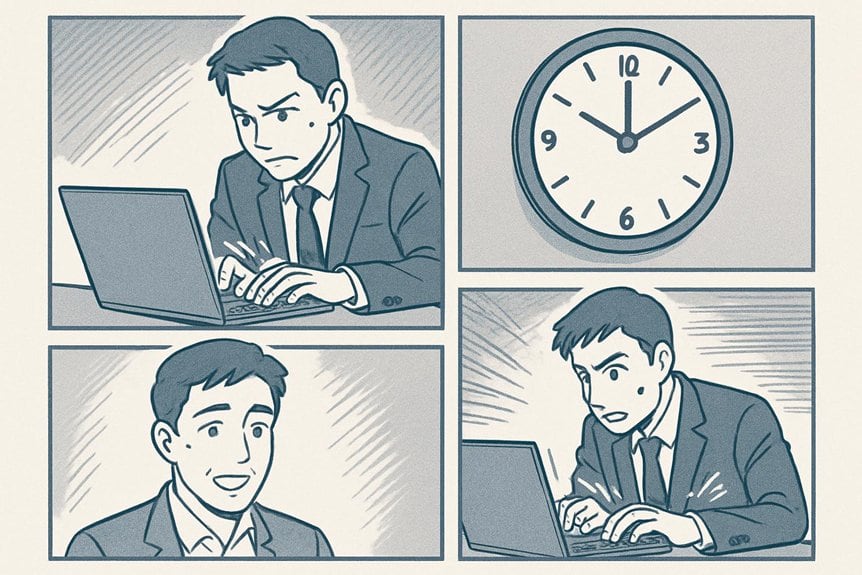
Promptly addressing negative Google reviews shows customers you care and prevents small issues from growing. You’ll limit damage by responding fast: searchers see timely replies as a sign your business monitors feedback and values experience.
Quick responses can convert upset reviewers into repeat customers, reduce the spread of misinformation, and improve public perception before competitors comment. You’ll also gather fresh details while memories are clear, helping you resolve problems efficiently.
Prioritize the most recent or highest-impact reviews, set response time goals, and route alerts to staff who can act. Don’t sacrifice accuracy for speed, but aim to acknowledge receipt within hours and offer follow-up steps. Consistency in promptness builds trust and preserves your online reputation.
Read, Understand, and Stay Calm
When you see a negative review, take a moment to read it fully and don’t respond while you’re still upset; staying calm helps you understand the customer’s true concerns and prevents an emotional reply that can escalate the situation.
Take a breath, step away if you need to, and reread the review objectively. Note specific complaints, dates, and facts without making assumptions. Calmness lets you craft a focused reply that addresses issues rather than defensiveness.
Before replying, list the facts you can verify and the emotions the reviewer expresses. This prepares a measured response that preserves your reputation and opens room for resolution.
- You feel challenged — pause and breathe.
- You want to defend — wait and review.
- You may feel misunderstood — note specifics.
- You can choose clarity over conflict.
Acknowledge the Customer’s Experience
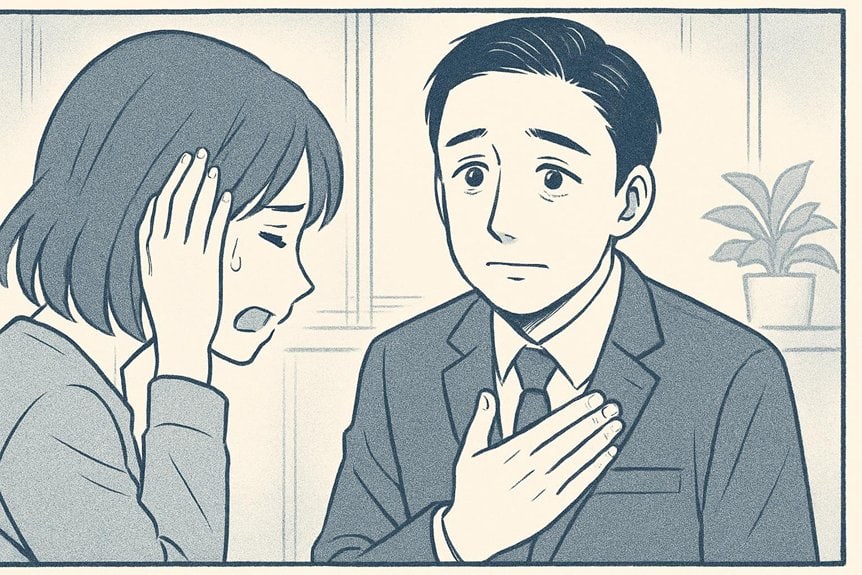
Often, start by acknowledging the customer’s experience so they feel heard — thank them for taking the time to share their feedback, restate the main issue in your own words, and show empathy for how it affected them.
Thank customers, briefly restate their issue to show you heard them, and express genuine empathy.
You’ll want to mirror key details to demonstrate you understood: mention the service, product, timing, or staff involved without repeating the review verbatim.
Use concise, genuine language that validates their feelings—phrases like “I understand how frustrating that must have been” work well.
That acknowledgment signals you’re listening and sets a constructive tone for next steps.
Keep it customer-focused, avoid defensive language, and make sure your message sounds human, not templated, so the reviewer and readers see you take concerns seriously.
Apologize Sincerely and Specifically
Because a clear apology can defuse frustration and rebuild trust, apologize directly and name the specific issue the customer experienced. You’ll sound genuine when you avoid vague phrases and acknowledge what went wrong — late delivery, billing error, rude staff, or a product defect. Keep your tone humble and human.
- Say “I’m sorry” and repeat the exact complaint so they know you listened.
- Own responsibility without making excuses; customers want accountability.
- Show empathy by recognizing the impact on their time, money, or plans.
- Keep language simple and personal — avoid corporate jargon or templated lines.
This focused, specific apology reduces tension and signals you respect the customer’s experience.
Offer a Solution or Next Steps
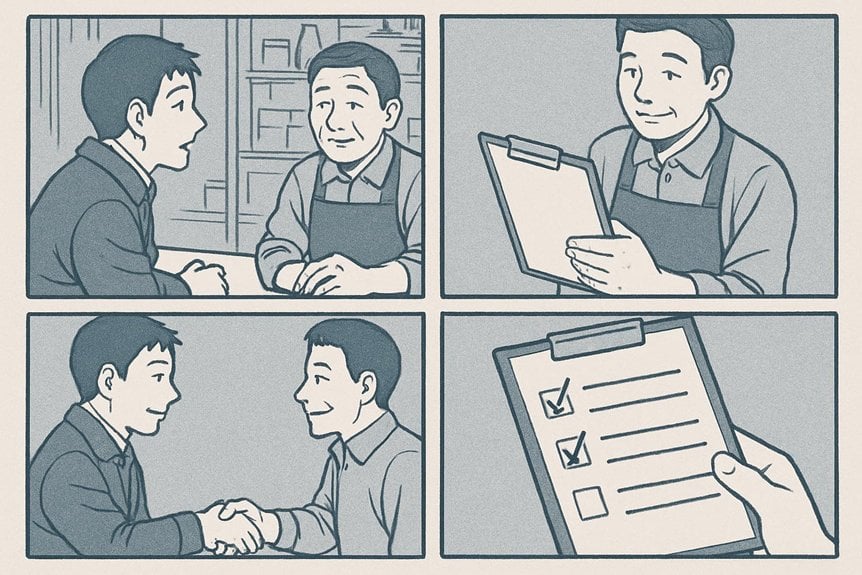
After you apologize, move quickly to fix the problem or explain clear next steps so the customer sees action, not just words. Tell them what you’ll do, give a realistic timeline, and offer a tangible remedy—refund, replacement, or priority support. Use plain language so they know you mean it and can expect follow-through.
| What you’ll do | Timeline | Outcome |
|---|---|---|
| Investigate order | 24–48 hrs | Find cause |
| Offer refund | 2–5 days | Money back |
| Send replacement | 5–10 days | Item received |
| Provide support | Immediate | Problem resolved |
| Follow up | 3–7 days after | Confirm satisfaction |
Close by inviting further contact and stating you’ll update them when each step is complete.
Take Sensitive Details Offline
When a review touches on private info or complex account issues, don’t hash out details publicly — keep them private.
Offer a direct contact (phone number or email) and invite the reviewer to continue the conversation there.
Confirm the next steps you’ll take and set a clear timeline so they know what to expect.
Keep Details Private
If a review brings up medical issues, account numbers, or other sensitive info, don’t hash out the details in public replies — invite the reviewer to contact you privately instead. You protect their privacy and your reputation when you keep specifics off the public record. A brief, empathetic public reply shows you take concerns seriously without exposing personal data. Signal that you’ll follow up privately, then actually do so through secure channels.
Below are four emotional touchpoints to guide your tone and approach:
- Acknowledge the hurt—validate their feelings without repeating details.
- Show concern—communicate that privacy matters to you and you’ll handle it responsibly.
- Stay calm—use measured language to defuse tension and avoid escalation.
- Reassure—confirm you’ll address the issue confidentially and promptly.
Offer Direct Contact
Keep the conversation off the public review thread by inviting the reviewer to contact you directly—phone, secure messaging, or a designated support email.
Provide the best contact option for sensitive details and include hours or expected response time so they know when you’ll reply.
Use a secure channel for personal data and remind them you can’t share private information publicly.
Say you’ll investigate once you have specifics and ask for their preferred contact method.
Offer a point person or team so they don’t get bounced around, and confirm you’ll prioritize resolving the issue.
Keep the tone calm and professional, avoid assigning blame, and thank them for flagging the problem.
Ending publicly with an invitation shows care without airing private details.
Confirm Next Steps
Because you’ve invited them to a private channel, clearly state the next steps and timeline so the reviewer knows what to expect. Tell them what you’ll do, when you’ll follow up, and what you need from them. Use plain language, confirm contact details, and set realistic deadlines so they feel heard and reassured. Don’t promise what you can’t deliver.
- Acknowledge receipt and specify the person responsible and when you’ll respond — e.g., “I’ll review and reply within 48 hours.”
- Request only necessary information (order number, photos) and explain how it’ll be used.
- Offer a clear resolution path (refund, replacement, investigation) and estimated completion.
- Close with gratitude and a commitment to update them until it’s resolved.
Follow up and Show Progress
When you’ve addressed a customer’s concern, follow up promptly to show you’re still committed and to confirm the solution worked — a brief, specific update reassures the reviewer and demonstrates accountability.
Reach out publicly or privately depending on the situation: a public reply shows transparency, while a private message lets you share details.
Reference the original fix, state any measurable progress, and invite the reviewer to confirm their experience improved.
If you implemented a change, note when it took effect and what customers can expect now.
Keep tone professional and concise, and offer a clear contact path if issues persist.
Timely, factual follow-ups rebuild trust and signal to other readers that you take feedback seriously and act on it.
Learn From Patterns and Train Your Team
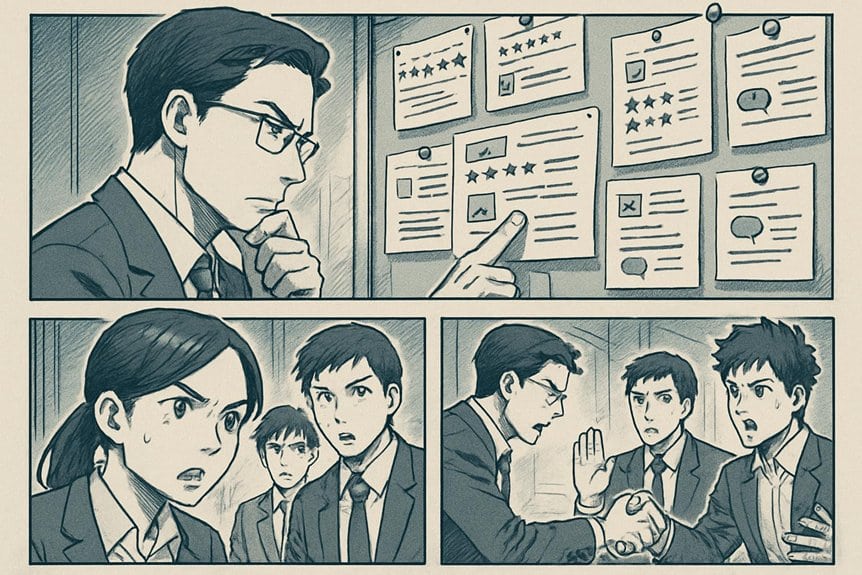
Look for recurring themes in your reviews so you can prioritize fixes that matter most. Share real examples with your team to make the issues and expectations concrete.
Then role-play responses together so everyone practices calm, helpful replies when a complaint comes in.
Spot Recurring Themes
Regularly scan your reviews to spot recurring themes—whether it’s slow service, billing confusion, or a common product flaw—and you’ll turn complaints into actionable insight.
When you identify patterns, prioritize fixes that help the most customers and stop repeating the same apologies.
Share findings with your team in brief, focused meetings so everyone knows what’s changing and why.
Use simple tracking—tag reviews, tally issues weekly, and watch trends shift after you act.
- Feel heard: show customers you took their concerns seriously.
- Empower staff: give clear steps to prevent repeat problems.
- Reduce stress: resolving root causes cuts future complaints.
- Build trust: consistent improvements restore confidence quickly.
Stay disciplined; patterns guide practical, emotional repair.
Share Real Examples
Pull together real review excerpts and concrete fixes so your team can see patterns in action and learn from them. Pick representative negatives—late arrivals, billing confusion, rude interactions—and show the original snippet alongside the corrective step taken. Include timelines, staff roles, and the phrasing used when you apologized or offered remediation. Highlight measurable outcomes, like reduced repeats of the issue or follow-up ratings that improved. Keep examples brief and varied so people recognize different situations quickly. Store them in a shared folder or playbook your team can reference when handling future reviews. Regularly update examples as processes evolve, and note which fixes worked best so everyone learns which responses produce real, trackable improvements.
Role-Play Responses
When you run role-play sessions, have teammates act out real negative-review scenarios so they can practice tone, timing, and resolution steps in a low-risk setting; this builds muscle memory for responses to late arrivals, billing disputes, and customer-service complaints and helps your team spot escalation points before they become public.
You’ll learn patterns fast: common complaints, trigger words, and which fixes actually calm customers. Rotate roles so everyone both defends and apologizes, then compare written replies and live voice responses. Capture successful scripts and tweak them. Use recordings to train new hires, and keep scenarios current with recent reviews. Role-play reduces defensive replies and speeds recovery, turning frustrated reviewers into repeat customers.
- Frustration
- Relief
- Trust
- Pride
When to Escalate or Involve Legal Help
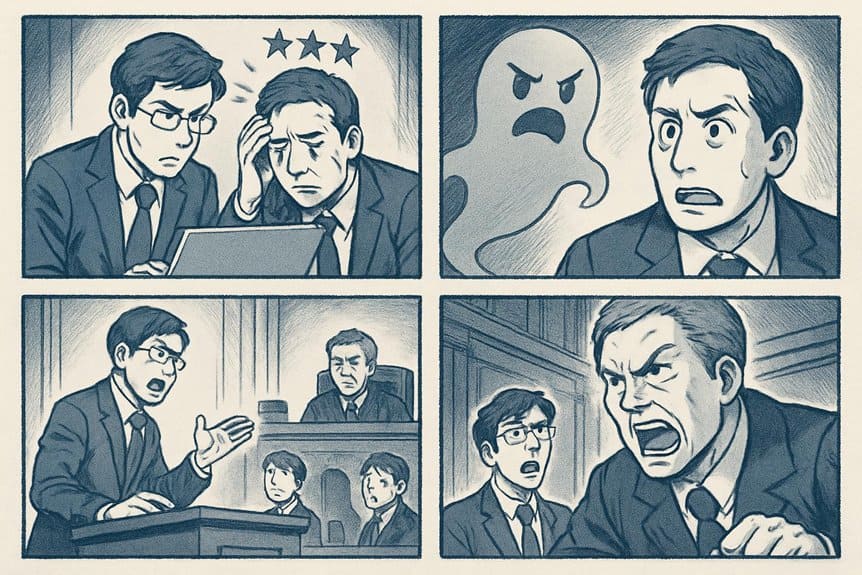
If a negative Google review crosses from honest critique into defamation, threats, or extortion, you should act quickly and escalate beyond normal reply protocols. First, document everything: take screenshots, note timestamps, and collect any related communications.
Next, consult your company policies and notify leadership and your legal or risk team so actions align with internal procedures. For clear defamation or criminal threats, consider filing a police report and asking counsel about cease-and-desist letters or subpoenas to unmask anonymous attackers.
If misinformation harms contracts or revenue, legal intervention may be necessary to seek damages or removal. Throughout, avoid engaging publicly in accusatory language; let legal counsel guide statements and preserve evidence for any formal proceedings.
Turning Negative Reviews Into Positive Marketing Opportunities
Reframing negative reviews as opportunities lets you turn criticism into credibility and customer loyalty. You can use a thoughtful reply to show empathy, fix issues publicly, and invite offline resolution. That transparency builds trust and can change future prospects’ minds. Track patterns to improve products, train staff, or tweak processes. Share success stories where feedback led to positive change.
- Respond promptly to show care and control anxiety.
- Acknowledge specific concerns to validate the reviewer’s feelings.
- Outline concrete fixes to inspire confidence and hope.
- Follow up publicly when a problem’s resolved to celebrate transformation.
Convert complaints into case studies and testimonials, and you’ll amplify honesty, demonstrate responsiveness, and attract loyal customers.
Frequently Asked Questions
Can You Delete a False Negative Review on Google?
You can’t directly delete a false negative review, but you can flag it to Google for policy violations, respond professionally to correct the record, gather evidence for removal, and encourage legitimate customers to post accurate reviews to outweigh it.
How Do I Respond to Anonymous Reviewers?
You thank anonymous reviewers, address concerns calmly, offer a private contact, and show you’ll fix issues—like tending a bruised garden, you’ll nurture trust and invite dialogue to turn criticism into growth and reassurance.
Should I Respond to Reviews in Another Language?
Yes — you should respond in the reviewer’s language when possible. If you can’t, apologize briefly in their language then switch to your language with a translation, ensuring clarity, respect, and a willingness to resolve their issue promptly.
Can I Automate Responses to Negative Reviews?
Yes — you can automate responses, but don’t fully rely on them. Test whether templates correctly reflect facts, personalize when issues need empathy, and flag certain reviews for human follow-up to protect your reputation and accuracy.
Do Negative Reviews Affect Local Search Ranking?
Yes — negative reviews can hurt local search ranking, but they’re one factor among many. You’ll want to address them promptly, gather more positive feedback, and maintain accurate business info to minimize impact.
Conclusion
You’ve got this — a single thoughtful reply can stop a reputation meltdown and turn critics into cheerleaders. Don’t act like reviews are tiny annoyances; treat them like fire alarms that can save your whole business. Stay calm, own the mistake, fix it fast, and follow up — your response can be louder and more persuasive than the original complaint. Do it right and one negative review can become your most effective, dramatic marketing tool.